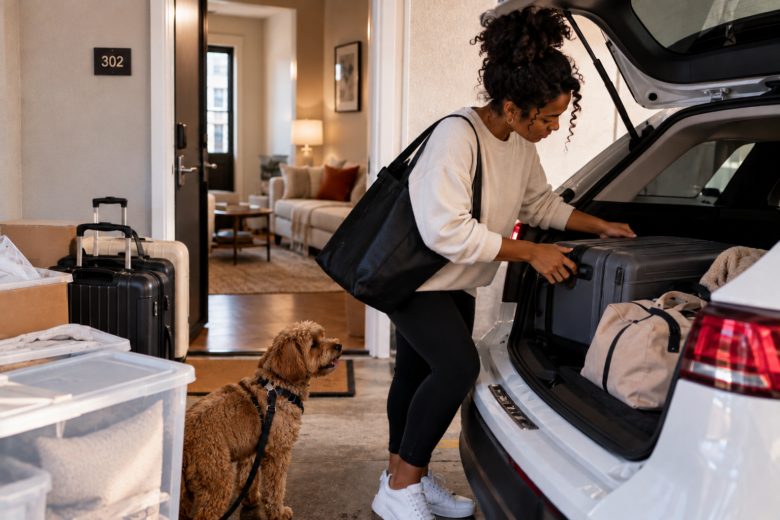
Being away from home for a few days usually requires little more than closing the windows, taking out the trash, and checking the front door. When you will be gone for several months, however, your apartment needs more careful preparation.
A small leak, accumulated mail, or heating failure could go unnoticed for weeks and cause significant damage. In addition, leases, insurance policies, and property management companies may have specific requirements for extended absences.
Preparing the unit involves more than cleaning before your trip. You need to protect the apartment’s systems, organize payments, avoid obvious signs that the home is empty, and create a safe way to monitor the property from a distance.
Review Your Lease and Notify Property Management
Read your lease before leaving. Look for clauses related to extended absences, vacant units, maintenance access, and requirements to notify property management.
Some leases require tenants to report when an apartment will remain empty for a certain period. Providing notice also ensures that management knows how to contact you during an emergency.
Send the information in writing and include:
- Your approximate departure and return dates;
- An updated phone number and email address;
- An emergency contact;
- The name of an authorized person, if applicable;
- Instructions regarding pets, vehicles, or deliveries;
- Your preferred method of contact during the absence.
Tell only the people who need to know. Avoid announcing on social media that your home will be empty for several months.
Choose a Trusted Person to Check the Apartment
Even with smart devices, someone should be able to inspect the apartment in person. Choose a reliable person who lives nearby and can visit the unit as often as permitted and necessary.
Confirm with management whether you may give that person a key or register them as an authorized contact. Explain where the water shutoff valve, electrical panel, maintenance contacts, and important documents are located.
The person does not need to stay in the apartment. Their role is to watch for leaks, unusual odors, HVAC problems, accumulated mail, or notices left by management.
Agree on how each visit should be documented. A few photographs and a message confirming that everything looks normal can provide useful reassurance without turning the favor into a complicated inspection.
Keep Essential Services Active
Do not automatically shut off the water, electricity, heating, air conditioning, or internet. First, review your lease and speak with property management and, when necessary, your insurance provider.
In cold climates, completely turning off the heat can cause pipes to freeze. In hot and humid areas, leaving the air conditioning off for months may contribute to humidity, odors, and mold growth. The appropriate temperature will depend on the climate, building, and property rules.
If you are permitted to close the unit’s water shutoff valve, confirm which valve to use and whether any equipment depends on a continuous water supply. Never adjust valves, water heaters, or building systems without authorization.
Place essential bills on automatic payment and confirm that the card or bank account will remain active throughout your absence.
Complete a Maintenance Check
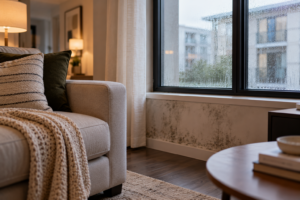
A few days before leaving, inspect the apartment carefully. Look for leaks under sinks, dripping faucets, moisture stains, warm outlets, unusual noises, and problems with the heating or cooling system.
Request necessary repairs before your trip rather than waiting until the last day. The maintenance team may need to return, order a part, or monitor the equipment after the repair.
Follow these steps:
- Test smoke and carbon monoxide detectors, when applicable.
- Replace the HVAC filter if it is your responsibility.
- Inspect sinks, toilets, and appliances connected to water.
- Clean drains and remove debris.
- Confirm that doors and windows close properly.
- Photograph the rooms and important areas.
- Save the property’s emergency contact information.
These pictures document the apartment’s condition and may be useful if something happens while you are away.
Prepare the Kitchen and Prevent Pests
Remove perishable food from the refrigerator and clear fruit, bread, and open packages from the cabinets. Check expiration dates and discard anything that could spoil or attract insects.
If the refrigerator will remain on, clean the interior and keep only products that will last throughout the absence. If you plan to turn it off, obtain authorization when necessary, empty and defrost it, and leave the doors slightly open to prevent odors and mold.
Wash the dishes, clean the countertops and appliances, remove all trash, and do not leave recycling behind. Store dry foods in tightly sealed containers.
Avoid leaving water in plant saucers or any container that could spill. If someone will care for your plants, provide simple instructions so generous watering does not become a small indoor flood.
Unplug Appliances That Will Not Be Used
Turn off and unplug nonessential items such as the coffee maker, toaster, chargers, decorative lights, and entertainment devices. This reduces energy use and prevents unnecessary equipment from remaining powered.
Do not unplug the refrigerator, security system, router, HVAC equipment, or other essential devices without considering the consequences. If you use smart plugs, choose reliable products and do not depend on them exclusively for critical equipment.
Turn off faucets, extinguish candles, unplug heated diffusers, and confirm that no appliance was accidentally left running.
Arrange Mail, Deliveries, and Payments
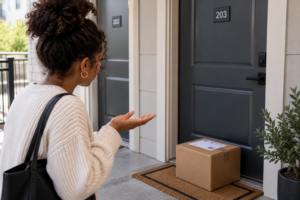
Accumulated mail can make it obvious that no one is home. Request mail forwarding or temporary mail holding, and update the address for recurring deliveries.
Pause subscriptions, automatic shipments, and in-person services. If a package is still expected, ask an authorized person to collect it promptly.
Confirm automatic payments for rent, utilities, renters insurance, and other bills. Enable account notifications so you can quickly identify payment failures or unusual utility usage.
Protect Valuables and Important Documents
Store documents, jewelry, cash, and small valuable items in a secure place. Do not hide belongings in areas that maintenance may need to access, such as the electrical panel or the cabinet under the sink.
Confirm that your renters insurance will remain active during an extended absence and ask whether the policy requires notification or regular inspections. Terms vary, so obtain confirmation directly from the insurance provider.
Consider keeping digital copies of important documents in a protected service that you can access while traveling.
Complete One Final Walk-Through
On the day you leave, walk through every room without rushing. Check windows, doors, faucets, the thermostat, refrigerator, trash, appliances, and lights.
After locking the door, confirm that your trusted person has access, contact information, and clear instructions. Let management know the unit is prepared, and keep your phone available for important situations.
Peace of Mind Begins Before You Close the Door
An extended absence does not need to turn your apartment into a constant source of worry. When payments, maintenance, climate control, security, and in-person checks are arranged in advance, you reduce risks and avoid making rushed decisions from hundreds of miles away.
The goal is not to predict everything that could happen. It is to make sure a small problem is noticed before it becomes a major one.
By preparing every important detail, you are not simply leaving an empty apartment behind. You are protecting the place you plan to return to, so that months later, opening the front door can once again feel like coming home.