
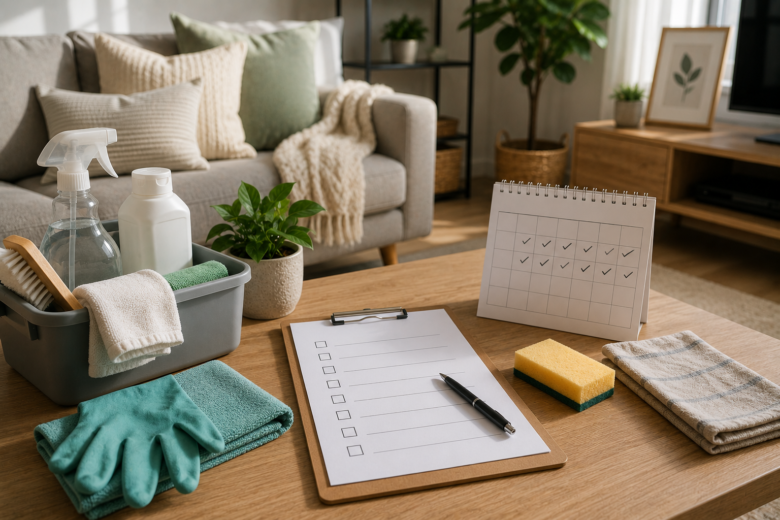
Your security deposit may feel like a distant concern when you’ve just moved in. You get the keys, arrange your furniture, and start settling into everyday life. Thinking about moving out already seems far too early.
But the best time to protect that money is while you’re still living in the apartment.
Small problems ignored for months can turn into permanent stains, larger damage, or situations that are difficult to explain at the end of your lease. A dripping faucet, grease building up on the stove, or a small carpet stain may seem insignificant on their own. Over the course of a year, they can become a much bigger issue.
A quick monthly inspection can help you keep your apartment in good condition and identify problems before they get worse.
It doesn’t guarantee the full return of your security deposit, since that depends on your lease, the property’s condition, and applicable laws. But it can help you take better care of your apartment, document problems, and prevent unnecessary damage.
Always Start With Your Lease
Before creating any maintenance routine, review the sections of your lease related to property care.
Look for information about:
- tenant responsibilities;
- permitted modifications;
- cleaning requirements;
- appliance maintenance;
- filter replacement, when applicable;
- procedures for requesting repairs;
- rules for walls and paint;
- security deposit conditions.
Don’t assume every rental property follows the same rules.
Responsibilities can vary depending on your lease, property management, and state or local laws.
Your checklist should complement those requirements, not replace them.
Inspect Walls Doors and Baseboards
Once a month, walk through the apartment and pay attention to surfaces you normally overlook.
Look for marks, stains, minor damage, or signs of moisture.
Pay particular attention to areas near:
- tables;
- chairs;
- headboards;
- doors;
- furniture placed against walls;
- high-traffic areas.
Check whether any furniture is repeatedly hitting or rubbing against a wall.
A small adjustment in furniture placement may prevent a minor mark from becoming permanent damage.
Check Floors and Carpets Carefully
Don’t wait until moving week to discover what’s been happening to the flooring underneath your furniture.
Regularly inspect high-traffic areas.
On hard flooring, look for scratches, moisture, or changes in the surface.
On carpet, watch for stains and concentrated areas of dirt.
If something spills, deal with it promptly using methods appropriate for the material and following product instructions.
Avoid experimenting with harsh products on an unfamiliar surface.
If you’re unsure about the flooring or recommended care, ask property management.
Give the Kitchen a Monthly Inspection
Kitchen residue builds up gradually.
Once a month, look beyond your regular cleaning routine.
Check the:
- stovetop;
- oven;
- backsplash;
- countertops;
- sink;
- inside of cabinets;
- area under the sink;
- provided appliances.
Look for grease buildup, leaks, stains, or damage.
Also check whether liquids are dripping into cabinets or remaining on surfaces for extended periods.
Handling small messes now is usually much easier than removing months of buildup before your move-out inspection.
Check the Bathroom for Moisture
Bathrooms deserve special attention because small water problems can become serious quickly.
Inspect the areas around the toilet, sink, bathtub, and shower.
Look for:
- leaks;
- stains;
- changes in paint;
- unusual-looking grout;
- swollen cabinets;
- persistent moisture;
- unusual odors.
Ventilate the bathroom using the options available in your apartment and according to property guidelines.
If you notice something that may require maintenance, take photos and report it through the property’s designated channel.
Don’t wait for the problem to get worse.
Look Under the Sinks
This habit takes less than a minute.
Open the cabinets under your kitchen and bathroom sinks.
Make sure the bottom is dry and visually inspect accessible plumbing without taking anything apart.
A small amount of water can remain hidden behind cleaning products for weeks.
For that reason, avoid completely filling these cabinets.
Leave enough open space to notice changes quickly.
Check Doors Windows and Closets
Open and close doors and windows you don’t use frequently.
Notice whether anything has become difficult to operate, damaged, or noticeably different.
In closets, check corners and walls hidden behind clothing.
Avoid storing damp items in these spaces.
If you notice something involving the apartment’s structure, don’t force it or attempt an improvised repair. Document the issue and request maintenance when appropriate.
Pay Attention to Property-Provided Appliances
If your apartment includes a refrigerator, dishwasher, washer, dryer, or other appliances, pay attention to how they’re functioning.
You don’t need to perform a technical inspection.
Simply watch for noticeable changes such as:
- water where it shouldn’t be;
- damaged components;
- difficulty operating;
- unusual noises;
- visible signs of damage.
Follow manufacturer instructions and the responsibilities outlined in your lease.
When something seems wrong, report it instead of taking the appliance apart.
Photograph Important Problems Throughout Your Lease
Your move-in photo inventory is important, but your documentation doesn’t need to stop there.
If a significant issue appears, photograph it.
Record the date and keep a copy of any related maintenance request.
This helps create a timeline showing when the problem appeared and when you notified the property.
Keep these records organized until your lease has ended and any security deposit issues have been resolved.
Use a 15-Minute Monthly Checklist
Once a month, check:
- walls and baseboards;
- floors and carpets;
- doors and windows;
- kitchen and appliances;
- bathroom;
- areas under sinks;
- closets;
- signs of leaks or moisture;
- damage caused by furniture;
- problems that need to be reported;
- important maintenance records.
Set a recurring reminder on your phone so you don’t have to rely on memory.
Protecting Your Security Deposit Starts Long Before Move-Out Day
Waiting until the last week of your lease to take care of the apartment is like starting to study minutes before an exam.
A thorough cleaning can help, but it can’t erase every problem that developed over several months.
The smarter strategy is much less exhausting: pay attention to the apartment regularly.
Fifteen minutes each month may reveal a leak, stain, or piece of furniture damaging a wall before the situation becomes more serious.
You don’t need to spend your entire lease worrying about the future move-out inspection.
You simply need to make apartment care part of your routine.
When it’s finally time to return the keys, instead of discovering a year’s worth of problems all at once, you’ll be looking at an apartment that has been monitored, documented, and cared for from the beginning.

Comments
I loved. Thank you!
My biggest lesson as a renter was to test everything before signing the lease and take plenty of photos and videos. Faucets, outlets, windows… everything.
Author
You’re right!