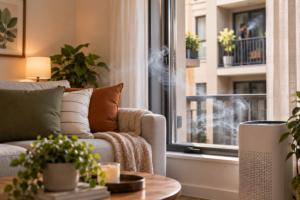

An apartment can have spotless floors, freshly painted walls, and a bathroom that appears immaculate, and still carry a damp, earthy smell commonly associated with mold. That happens because visible cleanliness and moisture control are two different things.
The odor may come from hidden materials, previous leaks, excess indoor humidity, or inadequate ventilation. In some cases, cleaning and repainting improve the appearance while the source of the moisture remains behind walls, cabinets, carpet, or flooring.
According to the U.S. Environmental Protection Agency, mold requires moisture to grow, and controlling that moisture is essential to solving the problem. www.epa.gov
A musty smell does not automatically prove that the entire apartment has a severe mold problem. However, it is a warning worth investigating, not something to cover with air freshener and forget.
A Clean Appearance Does Not Reveal Everything
Before showing an apartment to potential tenants, a landlord or property manager may repaint the walls, clean the carpet, and complete minor repairs. These steps make the unit look better, but they do not necessarily correct leaks, condensation, or damp materials.
Moisture and mold may be hidden:
- Behind baseboards;
- Under carpet or flooring;
- Inside cabinets;
- Behind furniture placed against a wall;
- Around plumbing lines;
- Above the ceiling;
- Behind drywall;
- Near the heating and cooling system.
The absence of visible spots does not guarantee that every area is dry. If the odor is persistent, pay attention to where it becomes stronger rather than relying only on what the apartment looks like.
Previous Leaks Can Continue to Cause Odors
A leaking sink may have been repaired, and a ceiling may no longer drip, but the materials affected by the water might not have dried properly. Drywall, wood, insulation, and carpet can absorb moisture and hold odors even after their surfaces appear normal.
Watch for subtle signs such as:
- Bubbling or peeling paint;
- Uneven wall texture;
- Swollen baseboards;
- Yellow or brown stains;
- Warped wood;
- Darkened grout;
- Raised flooring;
- Recently painted sections of a wall or ceiling.
A patch of newer paint does not prove that mold was present. Still, it gives you a reason to ask whether the apartment experienced a leak, what caused it, and whether damaged materials were replaced or simply covered.
Everyday Activities Can Increase Moisture
A broken pipe is not always responsible for a musty smell. Long showers, frequent cooking, drying clothes indoors, and limited air circulation can increase the amount of moisture inside an apartment.
The problem can become worse when a bathroom fan does not work properly, windows remain closed, or large furniture is pressed tightly against a cold exterior wall.
Notice when the smell appears. Does it become stronger after a shower? Is it more noticeable during rainy weather? Does the bedroom smell different when the air conditioner has been off for several hours?
These patterns can help distinguish a temporary closed-room odor from a recurring moisture issue that requires further investigation.
Pay Attention to the HVAC System
Sometimes the odor becomes noticeable only after the heating or air-conditioning system begins running. An old filter, condensation, standing water in a drain pan, or damp components can spread an unpleasant smell throughout the apartment.
During a tour, turn on the system and remain inside for several minutes. Check whether the odor becomes stronger near the vents and ask:
- When was the air filter last replaced?
- When was the system last serviced?
- Has the unit experienced a leak?
- Has the condensate drain line been inspected?
- Who is responsible for changing the filter?
Do not open equipment panels or attempt to inspect the ductwork yourself. If the smell appears to come from the system, ask the landlord or property manager to arrange a professional evaluation.
Check Cabinets and Other Enclosed Areas
An apartment that was aired out before a showing may smell normal when you first enter. Musty odors often remain more noticeable inside cabinets, closets, and other spaces that have stayed closed.
Open the cabinets beneath the kitchen and bathroom sinks. Inspect the corners and notice whether the odor changes. Check the bedroom closet, laundry area, and the space around the water heater if it is safely accessible.
A smell concentrated beneath a sink may indicate a small plumbing leak, damaged seal, or damp cabinet material. Look beyond the bottom shelf and inspect the side panels, back wall, and openings where the pipes enter.
Strong Fragrances Can Hide the Natural Odor
Candles, plug-in air fresheners, and heavily scented cleaning products do not necessarily mean someone is hiding a problem. However, strong fragrances can prevent you from accurately evaluating the apartment.
If the scent is overpowering, consider returning at another time. You can also ask to spend a few minutes in the apartment without air fresheners operating.
Open the cabinets and closets, then wait for the fragrance to become less noticeable. If a damp or earthy smell begins to emerge underneath it, investigate further before submitting an application.
Fresh paint can create the same difficulty. It may temporarily overpower other odors while also covering stains that would have been easier to identify beforehand.
Do Not Depend Only on Home Testing Kits
Mold testing kits may appear to offer a quick answer, but finding mold spores does not necessarily identify the source, size, or cause of the moisture problem. Spores naturally exist in many indoor and outdoor environments.
For a renter, the most useful first steps are usually careful observation, documentation, and a written request for an inspection. The goal is not simply to prove that spores exist. It is to find out why the apartment smells damp and whether the underlying condition will be corrected.
If a significant problem is suspected, the landlord or property manager may need to involve a qualified professional.
Step by Step: Investigate a Musty Smell
1. Identify Where the Smell Is Strongest
Compare the bathroom, kitchen, closets, laundry area, and air vents.
2. Inspect Surfaces and Finishes
Look for stains, bubbling paint, warping, swelling, and recently repaired sections.
3. Open Enclosed Spaces
Check cabinets, closets, and the areas beneath sinks.
4. Turn On the HVAC System
Notice whether the odor intensifies when the air starts circulating.
5. Ask About the Apartment’s History
Request information about previous leaks, flooding, water damage, and repairs.
6. Document What You Find
Take photographs and record where and when the smell appeared.
7. Request an Inspection in Writing
Ask management to investigate the source of the moisture, not merely cover the odor.
8. Wait for Clear Answers Before Signing
A verbal promise to clean the apartment is not the same as an identified and documented repair.
A Clean Apartment Also Needs to Be Dry
A musty smell is more than an unpleasant detail. It may point to trapped moisture, incomplete repairs, or ventilation problems that can continue long after you move in.
You do not need to identify the exact type of mold yourself. What matters is understanding why the apartment smells damp and whether the landlord is prepared to correct the cause instead of temporarily hiding the evidence.
An apartment can be cleaned again in a few hours. Repairing a leak, drying building materials, and replacing damaged sections requires a different level of care. Before signing the lease, look for a home that does more than appear clean—choose one that also gives you confidence about what is happening behind the fresh paint.