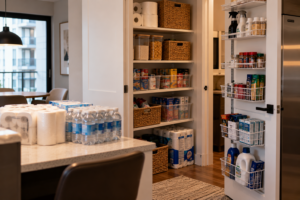
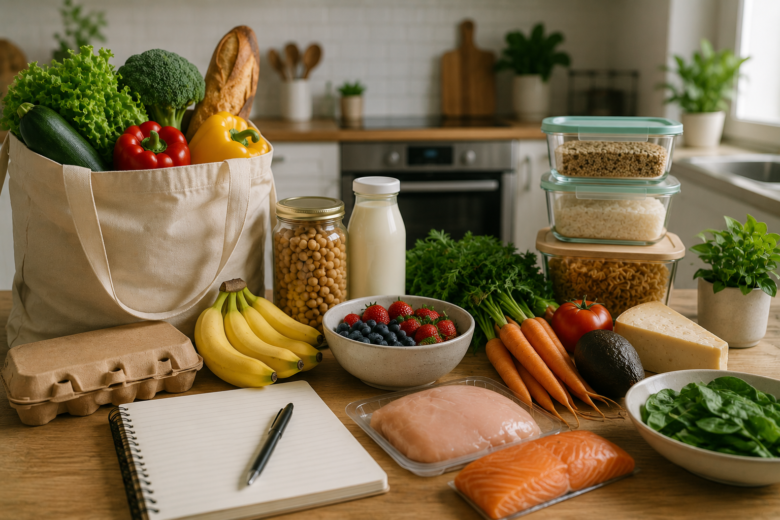
The refrigerator is practically empty, the cabinets have plenty of space, and you’ve just moved in. Your first grocery shopping trip may feel like the perfect time to buy everything a home needs.
And that’s exactly where overbuying often begins.
You fill your cart with fruits, vegetables, meat, dairy products, sauces, seasonings, snacks, and ingredients for several different recipes. The intention is good: you want your new kitchen to feel completely stocked.
A week later, some vegetables are forgotten in the produce drawer, three open sauces are sitting in the refrigerator, and you realize you bought groceries for a routine you haven’t even established yet.
Your first grocery trip doesn’t need to fill your entire kitchen. It needs to provide enough food for the first few days while you figure out what your routine in the new apartment will actually look like.
Start by Planning Only the Next Few Days
The first week after moving is rarely a normal week.
You’ll probably still have boxes to unpack, furniture to assemble, deliveries arriving, and plenty of small things to handle.
That’s why planning seven days of elaborate meals may not be realistic.
Start with four or five days.
Ask yourself:
- how many breakfasts you’ll eat at home;
- how many lunches you’ll realistically prepare;
- which nights you’ll probably cook;
- when you’ll need quick meals;
- whether you plan to order takeout on any days.
Your shopping list should reflect the week you’re actually going to have, not the week you wish you were going to have.
Create a Simple Meal Plan Before Making Your List
Don’t start by writing down random groceries.
Choose a few simple meals first.
For example:
Breakfast
Eggs, bread, and fruit.
Lunch
Rice, chicken, and vegetables.
Dinner
Pasta, sauce, and salad.
Now turn those meals into a grocery list.
This process gives almost everything in your cart a specific purpose.
If you pick up an item and can’t explain when you’re planning to use it, ask yourself whether it really needs to be part of your first grocery trip.
Choose Foods That Work in Multiple Meals
The more specific an ingredient is, the greater the chance that part of it may go unused.
That’s why versatile foods can be especially helpful.
Chicken prepared for dinner can become part of lunch the next day.
Vegetables can work as a side dish for one meal and be used in another recipe later.
Bread can be used for breakfast and snacks.
Before putting an ingredient in your cart, ask:
“Can I use this in more than one meal?”
You don’t need to apply this rule to everything, but it can significantly reduce forgotten leftovers.
Be More Careful With Fruits and Vegetables
The produce section is one of the easiest places to overbuy.
Everything looks useful when you’re stocking a kitchen from scratch.
But fresh fruits and vegetables have different shelf lives.
For your first shopping trip, choose only a few varieties and buy realistic quantities.
If you normally eat one piece of fruit per day, you probably don’t need enough fruit for three servings every day.
Also plan around shelf life.
Eat the most perishable foods first and save longer-lasting produce for later in the week.
Buying fresh food only saves money when you have enough time to eat it.
Don’t Build an Entire Pantry in One Trip
An empty kitchen can create the feeling that you’re missing everything.
Technically, you are.
But you don’t need everything right now.
Rice, pasta, cereal, flour, sugar, cooking oil, sauces, and a huge collection of spices don’t all need to come home during your first shopping trip.
Start with what you need for your planned meals and the staples you already know you use regularly.
Let your pantry grow naturally.
Each new recipe can add one or two ingredients instead of forcing you to predict everything you might use over the next several months.
Match Package Sizes to Your Actual Consumption
Buying the largest package can seem like the best deal.
It isn’t always.
A lower price per unit doesn’t save money if part of the product spoils before you can use it.
Before choosing larger packages, consider:
- how many people live in the apartment;
- how often you consume the product;
- how long it lasts after opening;
- how much refrigerator or pantry space you have.
This is especially important for perishable foods.
During your first few grocery trips, smaller packages can help you understand how much your household actually consumes.
Keep Easy Meals Available for Unpredictable Days
Not every day will go according to plan.
You may spend hours assembling furniture and realize you have absolutely no desire to cook.
Keep one or two easy options available.
It could be a frozen meal you enjoy, a quick pasta dish, or another option that requires very little preparation.
The goal isn’t to replace your meal plan.
It’s to prevent one change in your schedule from leaving fresh ingredients untouched while you repeatedly order food instead.
Organize Your Refrigerator Around What Should Be Eaten First
When you get home from the grocery store, don’t simply put food wherever there’s room.
Store refrigerated and frozen foods immediately, then keep your most perishable items visible.
If something needs to be eaten within the next few days, avoid hiding it behind larger containers.
You can even create a small section in your refrigerator labeled:
“Eat First”
This simple habit reduces the chance of discovering forgotten food when it’s already too late.
Before Your Second Grocery Trip Check What You Have Left
Your first grocery trip is also an experiment.
Before returning to the store, check:
- which foods are gone;
- what you still have;
- what almost spoiled;
- which meals you actually prepared;
- what you wished you had purchased.
Use that information to adjust your next list.
If something is always left over, buy less.
If another item disappears quickly, gradually increase the amount.
After a few grocery trips, you’ll have a much clearer idea of what your household actually consumes.
The Goal Isn’t to Leave the Grocery Store With a Full Cart
There’s something satisfying about opening a fully stocked refrigerator after moving into a new apartment.
But quantity doesn’t equal organization.
A successful first grocery trip is one where almost everything you buy has a strong chance of being eaten.
Start small. Plan simple meals. Buy realistic quantities and pay attention to your routine.
You’ll have plenty of opportunities to return to the grocery store.
You don’t need to figure out everything your kitchen will need for the next year on day one.
Let your pantry grow gradually and allow your refrigerator to reflect your actual habits.
Because a well-stocked kitchen isn’t one where there’s no room left.
It’s one where the food you bring home is far more likely to end up on your plate than in the trash.