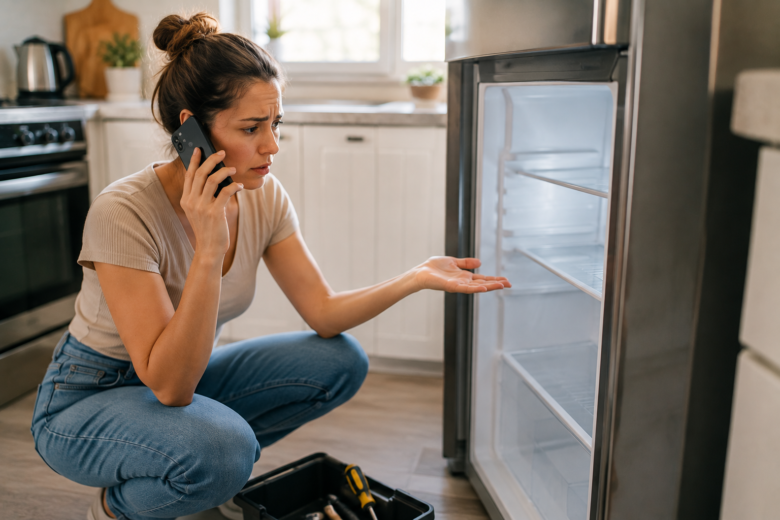
You open the refrigerator and realize it isn’t cooling properly. The dishwasher stops in the middle of a cycle. The stove suddenly isn’t working as expected. Your first reaction may be to troubleshoot the problem, search for a tutorial, or even buy a replacement part to fix it quickly.
But when the appliance belongs to the apartment, the situation requires a different approach.
In many rentals, certain appliances are provided as part of the unit. When one of them develops a problem, your first step shouldn’t be taking it apart or attempting a DIY repair. Instead, understand what your lease requires and report the issue properly.
This can help protect the appliance, the apartment, and you from unnecessary complications.
First Confirm That the Appliance Belongs to the Property
Before doing anything else, review your lease, move-in inventory, or documentation provided by property management.
The refrigerator, stove, oven, dishwasher, microwave, and washer/dryer may be included with the apartment, but this varies by property.
Find out:
- which appliances were provided;
- who is responsible for maintenance;
- how problems should be reported;
- whether there are specific usage instructions.
Don’t assume every appliance inside the unit is covered by the same rules.
Perform Only Basic and Safe Checks
An appliance that appears broken may sometimes have a simple issue.
Before submitting a maintenance request, you can perform basic external checks that don’t involve disassembly, electrical modifications, or repairs.
For example:
- make sure the controls are set correctly;
- check whether a door was left open;
- look for an error message;
- review any provided operating instructions;
- confirm that the problem continues during normal use.
If you notice a burning smell, smoke, sparks, water near electrical components, or any other potentially dangerous condition, stop testing the appliance.
Move away from the situation and follow the property’s emergency or maintenance procedures.
Document the Problem Before Maintenance Arrives
Before anyone works on the appliance, document what you’re observing.
Take photos or record a short video when it can be done safely.
If the refrigerator isn’t cooling, note when you first noticed the change. If the dishwasher displays an error code, photograph the screen. If water appears around an appliance, document the area without touching electrical components.
Also make a simple note:
Date – appliance – problem observed – approximate time
This creates a basic history of the situation.
Submit the Request Through the Correct Channel
Check your property’s instructions to determine where maintenance requests should be submitted.
This may be through a:
- resident portal;
- mobile app;
- online form;
- email;
- phone number;
- emergency maintenance line.
Describe what happened objectively.
Instead of writing:
“The dishwasher is broken.”
Try:
“The dishwasher starts the cycle but stops after a few minutes and displays error code E4.”
This explains what you’re observing without attempting to diagnose the technical cause.
Save the work order number or confirmation.
Explain When the Problem Started and Whether It’s Getting Worse
Context can help the maintenance team understand the situation.
Mention whether the appliance:
- stopped suddenly;
- started making unusual noises;
- works intermittently;
- is leaking;
- displays an error code;
- has received maintenance before.
If the problem is affecting another part of the apartment, mention that too.
A small amount of water under the dishwasher, for example, isn’t only an appliance issue. It could also affect nearby flooring or cabinets.
Don’t Take the Appliance Apart to Find the Problem
This is one of the most important steps.
When an appliance belongs to the property, avoid removing panels, replacing components, changing connections, or hiring someone to repair it without authorization.
Besides creating potential safety risks, an attempted repair could make it harder to identify the original problem or cause additional damage.
Even if you know how to perform a particular repair, first check what your lease and property management allow.
In many cases, your role as a renter is much simpler: identify, document, and report.
Protect Your Belongings While Waiting for Service
Depending on the appliance, you may need to minimize potential losses while waiting for maintenance.
If there’s a refrigerator problem, for example, avoid repeatedly opening the door and monitor the condition of your food. For food safety, follow official guidance regarding safe temperatures and when food should be discarded.
If the washer is leaking, don’t keep running it just to see whether the problem happens again.
If an appliance is causing water to reach the floor, follow the property’s instructions and take only safe measures to prevent the situation from spreading.
Never prioritize protecting belongings over your personal safety.
Follow Up Without Creating Multiple Separate Requests
After submitting the work order, monitor its status through the same channel whenever possible.
If you need to contact management again, reference the original request number.
For example:
“I’m following up on work order #4582. The refrigerator still hasn’t been cooling properly since yesterday.”
If the condition gets worse, update property management.
This creates a clear timeline and prevents multiple requests about the same problem from becoming scattered across the system.
After the Repair Check Whether the Problem Is Actually Gone
Once maintenance has completed the service, observe the appliance over the next few days.
Record the:
- service date;
- condition after the repair;
- return of the original problem, if applicable.
You don’t need to evaluate the technical quality of the work.
Simply pay attention to whether the issue that prompted your request is still occurring.
If it returns, report it again and reference the previous service.
Keep the Records Until the End of Your Lease
Keep relevant photos, videos, work orders, and communications with your other apartment records.
A basic timeline might look like this:
- problem identified;
- photo or video taken;
- maintenance requested;
- confirmation number saved;
- service completed;
- appliance monitored;
- follow-up submitted if necessary.
This history can be especially useful if the same appliance develops problems again.
When Something Breaks the Best Response Isn’t to Improvise
A broken appliance is inconvenient. Naturally, you want the problem solved as quickly as possible.
But acting quickly and improvising aren’t the same thing.
When the appliance belongs to the apartment, being organized can be far more important than finding an immediate DIY solution.
Check your lease. Perform safe basic checks. Document. Report. Follow up.
You don’t need to know why the refrigerator stopped cooling or which dishwasher component failed.
You need to know what to do next.
And that may be one of the most important skills you can develop as a renter: understanding that taking good care of your apartment doesn’t mean fixing everything yourself.
Sometimes, it simply means noticing the problem early, reporting it the right way, and keeping a record that shows you did exactly what you were supposed to do.
Comments
This was really helpful!!! I’m apartment hunting right now and definitely adding a few of these things to my checklist.
Author
Right? Sometimes the smallest details end up making the biggest difference 😅😊